
When something goes wrong with the walls inside a commercial building, most people are tempted to grab a tool and fix it themselves. After all, how hard can drywall be, right? The reality is a little different. Commercial walls are very different from those in a regular home. They hold wiring, insulation, soundproofing, and sometimes even fire-rated materials.
A simple mistake can lead to problems with the building. Let’s talk about the most common mistakes people make with commercial drywall repair and how Good Samaritan Services LLC helps prevent them.
Why DIY Commercial Drywall Repair Goes Wrong
Fixing drywall in a commercial space is far from a simple task. Many property owners quickly learn it is not an easy DIY project. The materials, thickness levels, and building standards are different from residential projects, which makes mistakes more likely.
Common Drywall Repair Mistakes Homeowners Make:
- Choosing the wrong type or thickness of drywall.
- Not understanding what’s inside the wall (wires, pipes, or insulation).
- Using low-quality patching materials.
- Leaving visible seams or uneven textures due to lack of professional skills.
- Ending up with repairs that don’t match the rest of the wall.
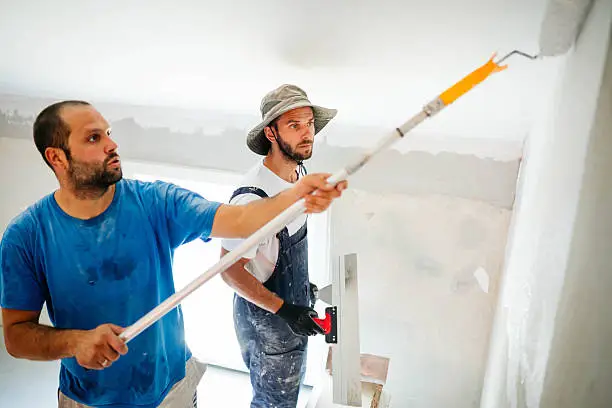
Mistakes That Will Cost You a Flawless Finish
The problems mentioned above don’t just look bad in Tonka Bay, MN. They can create structural issues or violate building codes. That is why proper commercial drywall repair requires skill.
Let’s talk deeper about the drywall repair mistakes so you can avoid them:
Mistake 1: Using the Wrong Drywall Type
Not all drywall is the same. Using the wrong type can lead to code violations. For example, if you replace fire-rated drywall with standard drywall, you could weaken a fire barrier. Something no business should risk.
Keep reading to know what most commercial buildings require:
| Fire rated drywall | Soundproof drywall |
| Moisture proof drywall | Panels resistant to impact |
Mistake 2: Overusing or Underusing Joint Compound
Joint compound (also called mud) is what helps the repair blend in with the wall. However, using too much or too little is one of the most common DIY mistakes.
Too much mud = Lumps and bumps
Too little mud = Cracks and visible seams
What’s the fix then?
In Commercial Drywall Repair, drywall mud should always be applied in thin, even layers. It should then be sanded and feathered wide enough to blend seamlessly into the wall.
Mistake 3: Poor Surface Preparation
Many DIY commercial drywall repairs fail before they even begin. A lot of people simply cut out the damaged area and slap on a patch. They don’t realize that commercial walls need proper prep work. Professionals at Good Samaritan Services LLC prep the area by cleaning it, cutting clean edges and securing backing boards. This way, the patch stays strong.
Always remember that skipping preparation can cause:
| Loose patches | Uneven surfaces |
| Cracked edges | Paint that does not stick |
Mistake 4: Ignoring What’s Behind the Drywall
In Commercial Drywall Repair, this is a big concern. Commercial walls often hide electrical wiring, data cables, plumbing lines, HVAC ducts, and insulation. Cutting into a wall without checking what’s behind it can cause serious damage and safety hazards.
How do professionals solve this issue?
Professionals use tools to inspect the wall before making any cuts. This is done to prevent any accidents and expensive mistakes.
Mistake 5: Not Matching Texture or Paint
Commercial Drywall Repair is an art! Even if you manage to make the wall structurally sound, mismatched texture or paint can reveal the patch. Experts blend textures so seamlessly that you can’t tell a repair was ever made.
Here are some common mistakes we have seen people make:
| A patch that’s too smooth or too bumpy | Paint that looks lighter or darker |
| A sheen that does not match | The patch that looks out of place |
Mistake 6: Skipping Sanding (Or Over-Sanding)
Sanding helps smooth out dried joint compounds, but doing it incorrectly creates problems. Commercial Drywall Repair requires just the right amount of sanding, performed in multiple steps.
Under-sanding = Rough and uneven surfaces
Over-sanding = Removing too much mud and exposing tape
Mistake 7: Forgetting About Building Codes
Commercial Drywall Repair ensures that buildings comply with strict safety and fire-resistance codes. DIY repairs often overlook these rules, which can lead to problems during inspections or lease agreements.
Professionals in Commercial Drywall Repair have extensive experience, ensuring their repairs meet all standards. They are familiar with local safety codes, fire-rating standards, and building requirements. A DIYer might research these rules, but it’s unlikely they will follow them correctly.
To Wrap Up
It is easy to make mistakes during a commercial drywall repair. But it is not easy to fix the safety risks, uneven walls, and expensive repairs later on. There are common errors you can avoid to protect your building and keep it looking professional. Just don’t choose the wrong drywall, skip prep work, or ignore what’s behind the wall. And when in doubt, calling trained experts from Good Samaritan Services LLC ensures the job is done right the first time.
FAQs
What kind of drywall is used in commercial buildings?
Fire-resistant drywall is commonly required in high-traffic commercial buildings for safety. Other types include soundproof, impact-resistant, and moisture-resistant (green board) drywall.
What thickness is commercial drywall?
The most common thickness for commercial walls and ceilings is 5/8-inch.
What is the lifespan of drywall?
Properly installed drywall can last 40 to 70 years or even the lifetime of the house.
What is the most commonly used drywall thickness?
The most commonly used thickness overall is 1/2-inch, which is the standard for interior walls in residential construction.
Is it cheaper to repair or replace drywall?
Repairing drywall is cheaper and less disruptive than replacing it, provided the damage is minor. Good Samaritan Services LLC can provide you with an accurate estimate for your drywall.