
Carpentry plays an important role in both the appearance and functionality of a home. Old, damaged, poorly fitted, or outdated woodwork can make otherwise usable rooms feel unfinished and less attractive. Replacing or upgrading these features with custom woodwork can improve the overall appearance, organization, and everyday usability of different areas throughout the home. However, custom carpentry requires careful measurements, proper material selection, accurate cutting, and skilled installation because incorrect sizing or poor workmanship can lead to uneven surfaces, gaps, weak joints, or an unfinished appearance.
This is why many homeowners consider custom carpentry services when they want to improve their living spaces with practical and personalized woodwork. At Good Samaritan Services LLC, our goal is to help homeowners improve their living spaces with practical and attractive carpentry solutions. We provide professional carpentry services for homeowners looking for durable, functional, and customized woodwork solutions.
What Makes Custom Carpentry Valuable For A Home?
Custom carpentry can provide homeowners with solutions that are specifically designed for their property. Standard furniture may not always fit perfectly into unusual spaces or provide the amount of storage that a household needs. Custom woodwork can be measured, designed, and built around the available space.
Before starting a carpentry project, several factors should be considered:
- Available space and room dimensions
- Existing layout and architectural features
- Intended use of the woodwork
- Storage requirements
- Wood type and material selection
- Design and finish preferences
- Structural requirements
- Installation requirements
Planning these details in advance can help create woodwork that fits the home while meeting the homeowner’s practical needs.
How Can Custom Woodwork Improve Your Home?
Custom woodwork can improve different areas of a home by adding storage, organization, visual detail, and functional features. Depending on the project, carpentry can be used for cabinets, shelving, built-ins, doors, trim, wall features, and other custom installations.
For example, built-in shelving can turn an unused wall into useful storage, while custom cabinets can provide a more organized solution for kitchens, bathrooms, offices, and other rooms. Custom trim and wood features can also add character to spaces that feel plain or unfinished.
When woodwork is designed specifically for the property, the finished result can make better use of the available space while complementing the home’s existing style.

Making Better Use Of Unused Spaces
Many homes contain areas that are difficult to use effectively because of unusual dimensions, corners, sloped ceilings, or limited floor space. Custom carpentry can help transform some of these areas into practical features.
A carpenter can measure the available space and design shelving, cabinets, benches, storage units, or other wood features that fit the area. This can be especially useful in small rooms, hallways, entryways, closets, home offices, and areas underneath stairs.
Instead of leaving these spaces unused, homeowners can incorporate custom woodwork that provides additional storage or functionality without requiring a major change to the room layout.
Custom Carpentry Materials And Wood Options
Material selection plays an important role in the appearance, durability, and maintenance requirements of custom woodwork. Depending on the project, homeowners may choose from different types of wood, engineered materials, finishes, and hardware.
Common materials and components used in carpentry projects include:
- Hardwood
- Softwood
- Plywood
- MDF
- Oak
- Maple
- Pine
- Walnut
- Wood veneer
- Cabinet-grade materials
- Decorative trim
- Custom hardware
The best material depends on the location, intended use, design preferences, moisture exposure, durability requirements, and project budget. Choosing suitable materials can help ensure that the finished woodwork performs well and maintains its appearance over time.
Step-by-Step Custom Carpentry Process
A custom carpentry project requires planning before materials are cut or installed. The process generally starts with understanding the homeowner’s needs, measuring the space, selecting materials, developing the design, preparing the wood, and installing the finished components.
- Assess the Space: Measure the room, walls, corners, openings, and other areas where the custom woodwork will be installed.
- Discuss Your Needs: Determine how the woodwork will be used, whether for storage, organization, decoration, or another purpose.
- Create the Design: Develop a design based on the available space, preferred style, dimensions, and functional requirements.
- Select Materials: Choose suitable wood, sheet materials, finishes, hardware, and other components for the project.
- Prepare the Materials: Cut, shape, sand, and prepare the wood according to the approved design.
- Build the Components: Assemble cabinets, shelving, trim, built-ins, doors, or other custom pieces.
- Prepare the Installation Area: Clear the work area and make sure the installation surface is ready for the new woodwork.
- Install the Woodwork: Secure the finished components in their planned locations and make necessary adjustments.
- Finish and Inspect: Apply the selected finish and inspect the completed project for proper fit, appearance, and functionality.
This organized approach helps make Custom Carpentry more manageable while ensuring that the finished woodwork is designed around the home and the homeowner’s needs.
How Can Carpentry Improve Home Storage?
Storage is one of the most practical ways custom carpentry can transform a home. Standard storage furniture may leave unused space above, below, or beside the unit, while custom cabinets and shelving can be designed to use more of the available area.
Custom storage can be created for:
- Kitchens
- Bedrooms
- Closets
- Home offices
- Living rooms
- Entryways
- Laundry rooms
- Bathrooms
- Garages
- Under-stair areas
Built-in shelving, cabinets, storage benches, and closet systems can help homeowners organize everyday items while keeping the room more functional and visually organized.
Custom Woodwork For Different Areas Of The Home
Different rooms can benefit from different types of carpentry. A kitchen may need custom cabinets or storage solutions, while a living room may benefit from built-in shelving, entertainment centers, or decorative wall features.
Bedrooms can include custom closets, wardrobes, headboards, or storage units. Home offices may benefit from built-in desks, shelves, and cabinets that make better use of available space.
Entryways can also be improved with custom benches, coat storage, shelving, or cabinetry. In each case, the design can be adapted to the dimensions and purpose of the room.
Custom Carpentry Cost By Project Type
The cost of custom carpentry depends on the size of the project, materials, design complexity, labor, installation requirements, wood type, and finish. Current 2026 pricing for carpentry commonly falls between $40 and $100 per hour, with an average hourly rate of about $50. Custom built-ins and specialty woodwork can cost more because they require additional design, fabrication, and installation time.
| Project Type | Typical Cost Range | What Affects The Cost |
| Custom Shelving | $150 – $1,200 | Size, materials, design, and installation |
| Built-In Cabinets | $1,000 – $5,000 | Cabinet size, materials, hardware, and labor |
| Custom Closet | $500 – $2,500 | Layout, storage features, materials, and installation |
| Built-In Entertainment Center | $2,000 – $6,000+ | Design complexity, size, materials, and finish |
| Custom Woodwork | $600 – $6,000+ | Project size, wood type, details, labor, and installation |
Note: Actual pricing can vary based on project dimensions, materials, wood type, design complexity, hardware, finish, installation requirements, and the condition of the existing space.
How Hard Is It To Complete Custom Carpentry?
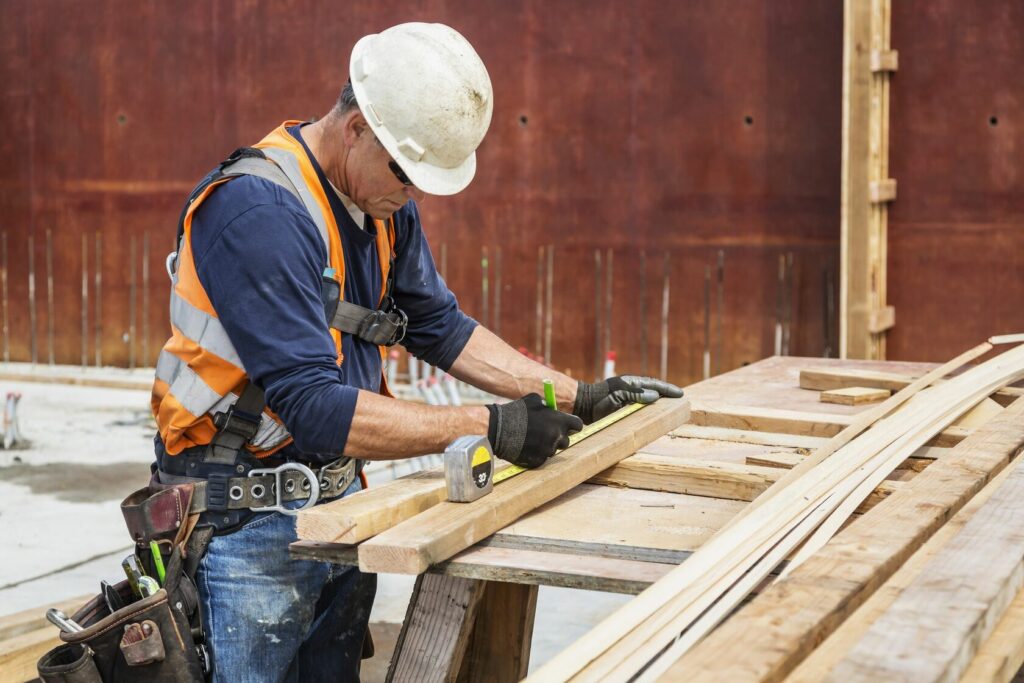
Custom carpentry requires accurate measurements, appropriate tools, material knowledge, and careful installation. While homeowners may be able to complete simple shelving or small woodworking projects themselves, larger built-ins, cabinets, trim work, and structural woodwork can require more specialized skills.
A DIY project may also require tools such as a circular saw, miter saw, drill, level, measuring tape, clamps, sanders, and other equipment. Homeowners need to understand how to measure accurately, make precise cuts, assemble components, and secure the finished woodwork properly.
Professional carpentry can make the process easier by handling measurements, material preparation, construction, installation, and finishing. Experienced carpenters can also help identify potential problems before construction begins and make adjustments based on the existing structure of the home.
What Should Be Checked Before A Carpentry Project?
A few simple preparations can help make a custom carpentry project more efficient. Homeowners should clearly identify how they want to use the finished woodwork and provide accurate information about the available space.
Before starting the project, check:
- Room dimensions
- Wall measurements
- Ceiling height
- Available floor space
- Door and window locations
- Electrical outlets
- Plumbing locations
- Existing cabinets or fixtures
- Intended storage needs
- Material preferences
- Desired finish
- Installation requirements
Having these details ready can help reduce unexpected issues during construction. Accurate measurements are especially important when custom cabinets, built-ins, shelving, or other woodwork need to fit into a specific area.
Why Professional Carpentry Can Make Home Improvements Easier
Custom carpentry requires more than simply cutting and assembling wood. Accurate measurements, proper material selection, detailed construction, secure installation, and finishing all contribute to the quality of the finished project. Choosing professional carpentry services in Hopkins, MN can also make it easier to create woodwork that fits the available space and complements the existing design of the home.
Professional assistance can be especially useful when the project involves built-in cabinets, custom shelving, closets, detailed trim, doors, or other larger installations. With careful planning and proper craftsmanship, homeowners can improve the functionality of their space while adding custom details that suit their needs.
At GOOD SAMARITAN SERVICES LLC, we help homeowners approach carpentry projects with practical planning, careful workmanship, and attention to the details that make custom woodwork fit naturally into the home.
Conclusion
Custom carpentry can transform a home by improving storage, organization, functionality, and visual appeal. Built-in shelving, cabinets, closets, trim, doors, and other custom wood features can be designed around the dimensions and needs of each room.
At GOOD SAMARITAN SERVICES LLC, we help homeowners improve their spaces with custom carpentry solutions designed around their specific requirements. Whether you need additional storage, built-in woodwork, custom cabinets, or decorative features, proper planning and skilled craftsmanship can make the finished project more functional and attractive.
FAQs
How Much Does Custom Carpentry Cost?
Custom carpentry commonly costs around $40–$100 per hour, with an average rate of about $50 per hour. The final price depends on the project size, materials, design, labor, and installation requirements.
What Types Of Custom Woodwork Can A Carpenter Build?
A carpenter can build custom cabinets, shelving, closets, built-ins, doors, trim, storage benches, entertainment centers, desks, and other wood features based on the home’s layout and the homeowner’s requirements.
Can Custom Carpentry Improve Home Storage?
Yes. Custom shelving, cabinets, closets, built-ins, and storage benches can help homeowners use available space more efficiently while keeping everyday belongings organized.
Is Custom Carpentry Better Than Ready-Made Furniture?
Custom carpentry can be useful when standard furniture does not fit the available space or provide the desired storage and design features. Custom woodwork can be measured and designed specifically for the room.
How Long Does A Custom Carpentry Project Take?
The timeline depends on the size and complexity of the project, material availability, design requirements, preparation, construction, and installation. Smaller projects may take less time, while larger built-ins and detailed woodwork can require several stages.