Drywall is one of the most important interior materials used in homes and buildings. It creates smooth walls and ceilings, separates rooms, provides a clean surface for paint or texture, and helps complete the overall appearance of an interior space. However, as homes are renovated, expanded, or repaired, homeowners often begin looking for ways to improve damaged, unfinished, or outdated walls. This is why many people start researching the drywall installation cost when they need new walls, ceiling finishes, room additions, or drywall repairs. At Good Samaritan Services LLC, our goal is to help homeowners create clean, functional, and durable interior spaces with professional drywall solutions. We provide installation, finishing, repair, and improvement services designed to meet different property needs and project requirements.
In 2026, the cost of a drywall installation can vary depending on project size, drywall type, panel thickness, finish level, labor requirements, and the condition of the walls or framing. Professional drywall installation generally costs between $1.50 and $3 per square foot, including materials and labor. A typical home drywall project may cost between $1,000 and $3,254, with an average cost of approximately $2,103 depending on the scope of work.
Why Is There Such a Wide Price Range?
The final cost of drywall installation is not fixed because every project is different. It is not a one-price service but rather a combination of several important factors that affect the total investment.
These include:
- The size of the walls and ceilings
- The type of drywall selected
- Panel thickness
- The level of finish required
- Labor and installation complexity
- Existing wall and framing conditions
- Additional repairs and finishing requirements
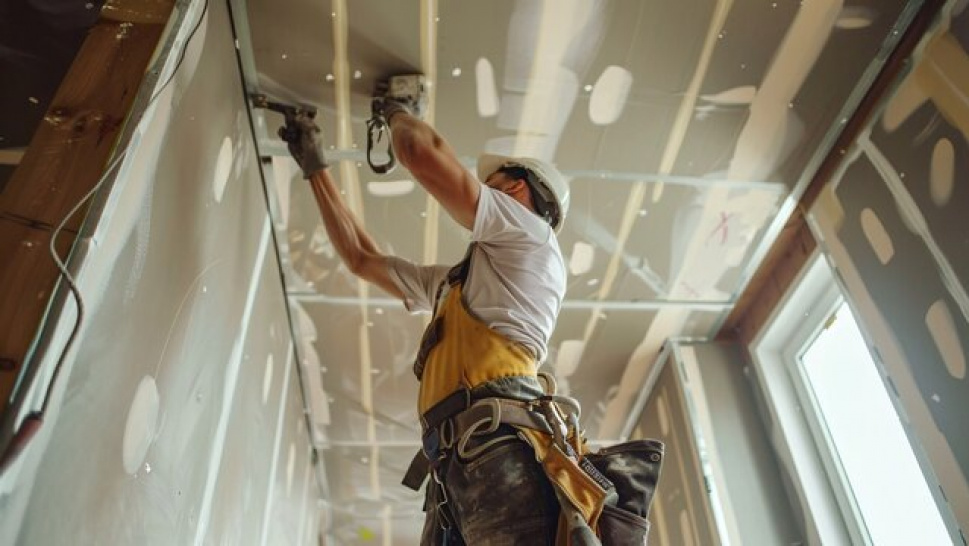
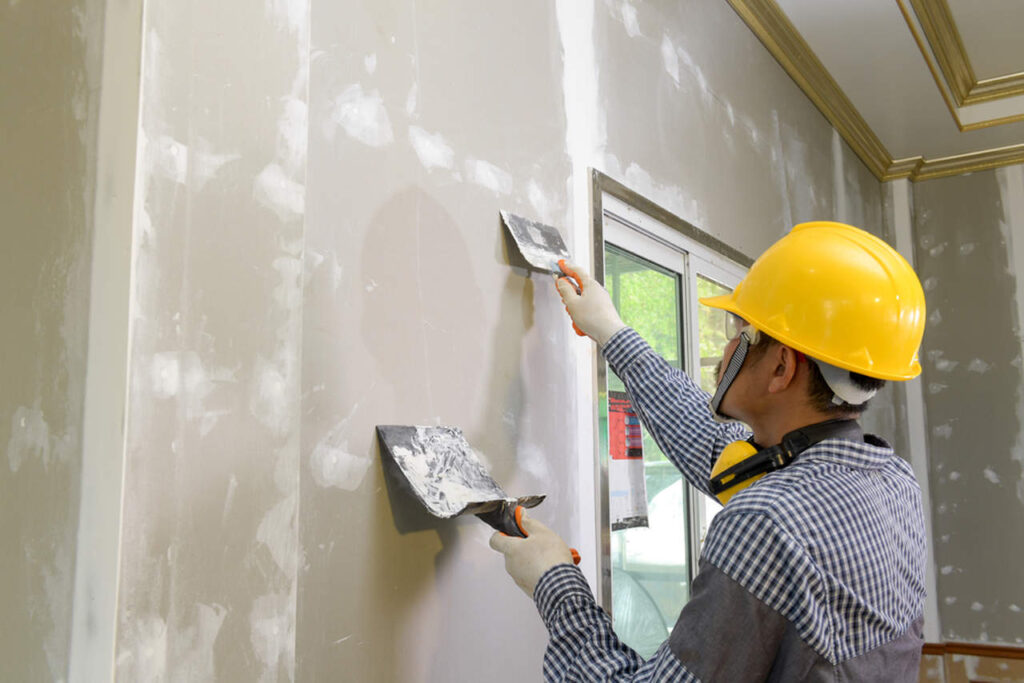
Unlike simply hanging a few drywall sheets, a complete drywall project may involve measuring, cutting, fastening, taping, mudding, sanding, priming, and preparing the surface for paint or texture. If the framing needs repairs or the project includes high ceilings, curved walls, or difficult access, additional labor may be required. That is why understanding drywall installation costs in 2026 is important before beginning any project. This guide helps homeowners understand realistic pricing, compare options, and plan their budgets.
The 7 Key Factors That Decide Drywall Installation Cost
The average drywall installation cost may appear straightforward, but the actual investment depends on several different conditions. Every property has unique requirements, which means each project has its own pricing structure.
Project Size And Square Footage
The total area being covered is one of the biggest factors affecting drywall installation costs. Larger rooms require more drywall panels, fasteners, joint compound, tape, and labor.
100 Sq. Ft. Area: $400 – $650
200 Sq. Ft. Area: $550 – $1,000
300 Sq. Ft. Area: $900 – $1,500
400 Sq. Ft. Area: $1,100 – $2,200
500 Sq. Ft. Area: $1,400 – $2,800
If the project includes a larger room, ceiling installation, complicated layouts, or additional wall preparation, total costs can increase.
Drywall Type
Different areas of a home may require different drywall products. Standard drywall is generally the most affordable option, while specialized panels can provide additional moisture, mold, fire, or sound protection.
Moisture-Resistant Drywall: $0.55 – $0.70 per sq. ft.
Mold-Resistant Drywall: $0.65 – $0.75 per sq. ft.
Fire-Resistant Drywall: $0.55 – $0.90 per sq. ft.
Soundproof Drywall: $1.85 – $3 per sq. ft.
The right drywall type depends on the location, moisture exposure, fire-safety requirements, and performance goals of the space.
Drywall Thickness
Panel thickness can also influence material costs. Different thicknesses are designed for different applications and installation requirements.
1/4-Inch Panels: Around $15 per panel
3/8-Inch Panels: Around $16 per panel
1/2-Inch Panels: Around $20 per panel
5/8-Inch Panels: Around $21 per panel
3/4-Inch Panels: Around $23 per panel
Half-inch panels are commonly used for standard walls, while thicker panels can be used for ceilings, fire resistance, or soundproofing applications.
Level Of Finish
The level of finish selected can have a major impact on the amount of labor required. A basic installation may require less finishing work, while a smooth, high-end surface requires additional taping, mudding, sanding, and preparation.
Basic Finish: Lower labor requirement
Standard Finish: Taping, joint compound, and sanding
Smooth Finish: Additional preparation for a more uniform appearance
Premium Finish: Detailed finishing for high-end interiors
A higher finish level generally requires more labor, which can increase the overall project cost.
Labor And Contractor Costs
Labor is an important part of professional drywall installation. Drywall installation labor can range from approximately $1 to $2.10 per square foot, depending on project size, complexity, and finishing requirements.
Drywall Hanging: Installing and securing drywall panels
Taping And Mudding: Sealing joints and fastener areas
Sanding: Creating a smooth surface
Priming And Finishing: Preparing the drywall for its final appearance
Experienced drywall contractors can help homeowners avoid uneven seams, visible imperfections, cracks, and other installation problems.
Wall And Framing Condition
The condition behind the drywall can also affect the total project cost. Damaged, uneven, or deteriorated framing may need to be repaired before new panels can be installed.
Water damage, previous construction work, electrical modifications, and damaged studs can all create additional preparation requirements. Addressing these problems before installation helps create a stronger and more uniform finished surface.
Additional Finishing And Texture
Drywall installation may include additional finishing services depending on the homeowner’s desired appearance. Sanding, priming, texturing, and painting can increase the total investment.
Professional drywall texturing can have additional costs based on the room size and texture selected. Smooth finishes, spray textures, and specialty finishes may each have different labor and material requirements.
Step-by-Step Drywall Installation Process
Professional drywall installation involves several steps, and each stage contributes to the final appearance and durability of the walls or ceilings. In 2026, a standard drywall project generally includes preparing the installation area, measuring and cutting panels, securing the drywall, treating the joints, applying joint compound, sanding the surface, and preparing it for paint or other finishes.
- Prepare The Area: Inspect the framing, clear the work area, and make sure the wall or ceiling structure is ready for installation.
- Measure And Cut Panels: Measure each section carefully and cut drywall sheets around corners, outlets, doors, windows, and other openings.
- Hang The Drywall: Position the panels and secure them properly to the framing using appropriate fasteners.
- Apply Joint Tape: Cover drywall joints with tape to create a strong base for the finishing coats.
- Apply Joint Compound: Spread joint compound over seams and fastener areas. Additional coats are applied to create a smoother finish.
- Sand And Smooth: After the compound dries, sand the surface carefully to remove ridges and create an even finish.
- Prime And Prepare For Paint: Once the drywall is properly finished, the surface can be primed and prepared for painting or another decorative treatment.
The finishing level chosen also affects the amount of work required. Current 2026 pricing guidance places common drywall finishes from basic Level 0 through highly smooth Level 5 finishes, with higher levels requiring additional joint-compound coats and finishing work.
Average Drywall Installation Cost by Project Size
| Project Size | Average Cost | What’s Typically Included |
| 100 Sq. Ft. | $400 – $650 | Drywall materials and professional installation |
| 200 Sq. Ft. | $550 – $1,000 | Drywall panels, labor, and standard finishing |
| 300 Sq. Ft. | $900 – $1,500 | Materials, installation, taping, and finishing |
| 400 Sq. Ft. | $1,100 – $2,200 | Drywall panels, labor, seam preparation, and finishing |
| 500 Sq. Ft. | $1,400 – $2,800 | Larger drywall installation, labor, and standard finishing |
Note: Actual drywall installation costs vary depending on project size, drywall type, panel thickness, finish level, labor, accessibility, and the condition of the existing walls or framing.
Key Signs Your Walls Need New Drywall
The condition of your walls can help determine whether repair or complete drywall replacement is the better option. Large holes are one of the most obvious signs, especially when damaged areas are too extensive for simple patching. Water damage is another common reason homeowners need new drywall because moisture can cause panels to become soft, swollen, stained, or structurally weak.
Cracks, recurring damage, deteriorated surfaces, and extensive nail pops can also indicate that the drywall needs professional attention. If multiple sections of a room have problems or the existing drywall has been repeatedly repaired, replacing larger sections may provide a better long-term result.
Unfinished areas are another common reason for new drywall installation. Basements, room additions, garages, and newly framed spaces may require complete drywall installation before they can be painted and used as finished living areas.
What Should You Consider Before Drywall Installation?
Before starting a drywall project, homeowners should evaluate the condition of the space and determine what type of installation will be required. The right drywall thickness and material should match the room’s purpose, moisture exposure, and performance needs.
Important considerations include:
- The total wall and ceiling area
- The type and thickness of drywall needed
- Moisture or mold exposure
- Desired finish level
- Condition of existing framing
- Electrical or plumbing work behind the walls
- Additional texturing or painting requirements
Planning these details before installation can help avoid unnecessary delays, material waste, and additional work during the project.
Why Professional Drywall Installation Matters
Drywall installation requires accurate measurements, proper panel placement, secure fastening, and careful finishing. Poor installation can lead to visible seams, uneven surfaces, nail pops, cracks, and other problems that become more noticeable after painting.
Professional drywall specialists have the tools and experience needed to handle cutting, hanging, taping, mudding, sanding, and finishing correctly. They can also identify issues with framing, moisture, or existing wall damage before those problems affect the finished surface.
That is why choosing a professional drywall installation company in Hopkins, MN is important for achieving smooth, durable, and consistent results. At Good Samaritan Services LLC, our team focuses on providing dependable drywall solutions tailored to each property’s needs. From installing new panels to completing detailed finishing work, we help homeowners create clean and functional interior spaces.
Conclusion
The cost of drywall installation in 2026 depends on several factors including project size, drywall type, thickness, finish level, labor requirements, and existing wall conditions. Professional drywall installation generally costs around $1.50 to $3 per square foot, while complete projects may range from approximately $1,000 to $3,254, with an average cost of about $2,103.
At Good Samaritan Services LLC, we help homeowners complete drywall projects with professional installation and finishing solutions. Whether you are finishing a new space, replacing damaged drywall, or improving existing walls, our team is committed to delivering clean, durable, and long-lasting results.
FAQs
1. What Type Of Drywall Is Best For Bathrooms And Kitchens?
Moisture-resistant drywall is commonly used in damp areas such as bathrooms, kitchens, basements, and laundry rooms.
2. How Much Does Drywall Installation Cost?
Professional drywall installation typically costs 1.50–3 per sq. ft., with a full project averaging about $2,103.
3. How Long Does Drywall Installation Take?
A 2,000-square-foot home can take around 7–10 days for hanging, taping, mudding, and sanding before the walls are ready for paint.
4. How Long Does Drywall Last?
Properly maintained drywall can last approximately 40–70 years, although moisture, water, fire, and physical damage can shorten its lifespan.
5. When Should Damaged Drywall Be Replaced?
Large cracks, water damage, sagging sections, and serious structural damage can indicate that drywall replacement is necessary.